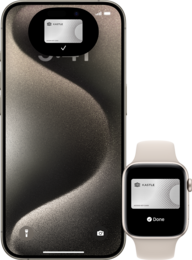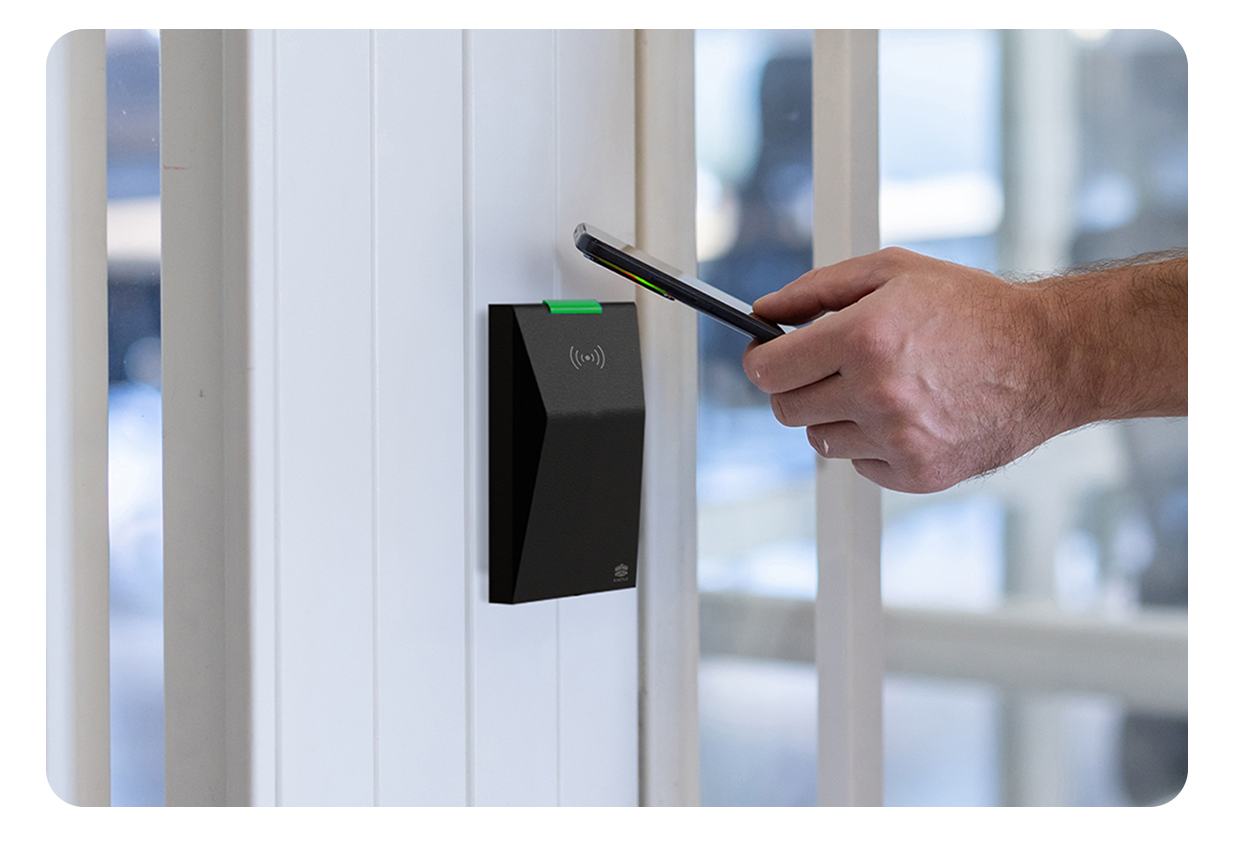
The launch of the Aliro standard represents a defining moment for the access control industry.
For years mobile credentials have held enormous promises. Yet the reality has often been fragmented systems, proprietary lock-in, and inconsistent experiences across devices and properties. A mobile wallet pass was beholden to the individual hardware manufacturer (lock or reader) to work; which means in a mixed-manufacturer environment, a user may need 2 passes—one to work on a smart lock and another to work with a different manufacturer’s reader. So, while the technology and user experience advanced with mobile credentials, the ecosystem did not move in sync to make it seamless.
Aliro changes that.
At Kastle, we view Aliro as the secure, interoperable foundation the industry has needed to unlock the full value of access control — particularly in commercial real estate, where complexity is the norm.
The Industry Challenge
Access control environments today are rarely unified.
In commercial office buildings and mixed-use developments, systems used to secure the perimeter and common areas of the building are often completely different than the systems that secure each tenant. An elevator system’s embedded readers may not even match those of the perimeter, much less the building’s tenants. Employees carry multiple credentials. Property operators manage layered integrations.
The challenge, when interoperability becomes too difficult, organizations frequently fall back on highly interoperable yet insecure technology such as legacy proximity cards — many of which lack modern encryption and can be easily duplicated, creating avoidable security exposure.
This fragmentation increases operational burden and limits innovation. It also undermines the seamless digital experiences tenants and residents increasingly expect.
Interoperability has long been discussed as the solution. Until now, it has been difficult to achieve at scale.
Why Aliro Matters
Aliro establishes a global, cryptography-based standard for mobile credential interoperability. Developed through the Connectivity Standards Alliance, it defines a common protocol that enables secureconsistent communication between mobile devices and access control readers.
Rather than relying on closed credential ecosystems, Aliro creates a shared framework that supports multiple technologies, including NFC, Bluetooth Low Energy, and Ultra-Wideband. It is backed by a certification program designed to ensure reliability and trust across implementations, which is administered by established testing labs like UL.
For the first time, interoperability is embedded in the architecture itself.
This is not simply a technical upgrade. It is a structural shift in how access systems can evolve.
What This Means for Commercial Real Estate
For building owners and operators, Aliro presents a clear opportunity.
A single mobile credential can enable access from parking garage to lobby to elevator to tenant suite, even when base building and tenant systems are managed separately. Employees and residents gain consistent experience using the devices they already carry, including credentials stored in major mobile wallets.
At the same time, organizations strengthen security by moving away from vulnerable proximity cards and toward modern, encrypted mobile credentials.
In multifamily and mixed-use environments, the value is equally compelling. Property managers can simplify credential management, reduce physical key risk, and deliver a unified experience across residential, retail, and office spaces.
Aliro does not eliminate complexity overnight. It provides the foundation to manage it more effectively and securely.
Kastle’s Commitment
Kastle has long advocated for standards-based innovation in access control. From PLAI to PKOC and now Aliro, we have consistently supported efforts that reduce fragmentation and advance interoperability.
We see the operational and security challenges our customers face every day. Aliro aligns with our credential strategy because it provides a secure, standardized platform that allows us to innovate while protecting long-term customer flexibility.
Competition should be driven by experience, service, and performance — not by proprietary credential constraints.
Aliro enables that shift.
Looking Ahead
As buildings become more connected and digital expectations rise, interoperability will move from advantage to requirement. Owners and enterprises will demand systems that integrate seamlessly across technologies, properties, and user types.
Aliro signals that the industry is ready to meet that demand.
At Kastle, we believe this standard represents a foundational step toward a more secure, more seamless, and more scalable access control ecosystem. For our customers, it means fewer compromises, stronger protection, and a clearer path forward.
Interoperability is no longer a future aspiration. With Aliro, it becomes operational reality.