


When an Alert Triggers at 2:00 AM… Who Actually Sees It?
Most commercial buildings today are reasonably well equipped when it comes to security. Cameras monitor entrances and common areas. Access control systems track credentials and door activity. Intrusion alarms activate when the building closes for the night. On paper, that looks like a complete security program. But there’s one question property teams often struggle to answer:
When an alert triggers after hours — who actually reviews it?
Most systems detect incidents. Far fewer ensure someone is actively reviewing those alerts and responding in real time. And that difference often determines whether an incident is stopped — or simply discovered the next morning.
The Technology Is Already There
Over the past decade, security technology has become significantly more accessible. High-definition cameras, smart access readers, and automated alerts are now common across office buildings, apartment communities, and professional offices. The result is that more security data is being generated than ever before:
- Motion alerts
- Video clips
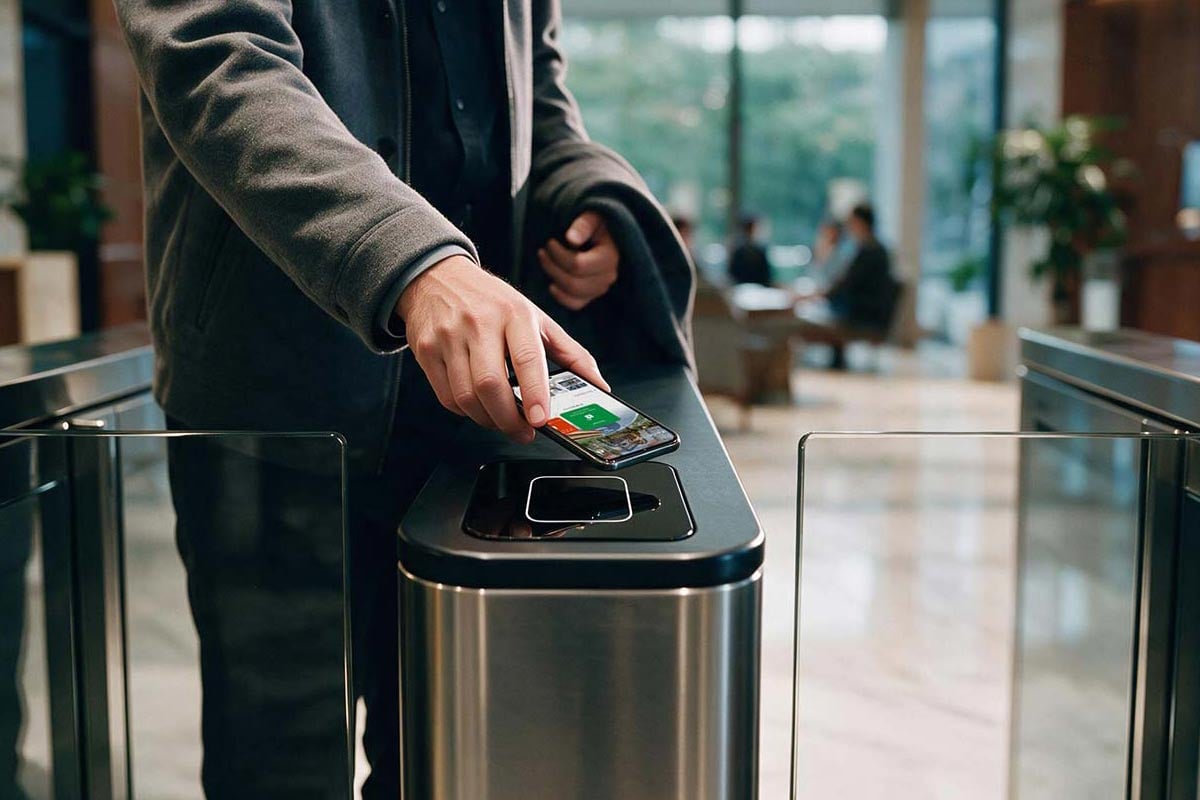
- Access events
- Alarm notifications
Systems capture a detailed record of what happens across a property. But there’s an important distinction that often gets overlooked:
Captured activity is not the same as a prevented incident.
Detection creates awareness. Response determines the outcome.
Detection Is the Event. Response Is the Outcome.
Consider the difference between two situations.
Scenario A — The Alert Is Logged
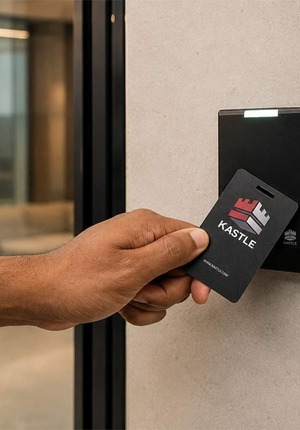
An access credential is used at an off-hours entry point.
The system flags the event and records it. Video footage captures the activity. But no one reviews the alert until the following afternoon. By then, an unauthorized individual had access to the building for several hours. The system worked exactly as designed. The incident was detected.
But nothing prevented it.
Scenario B — The Alert Is Reviewed Immediately
The same event occurs.
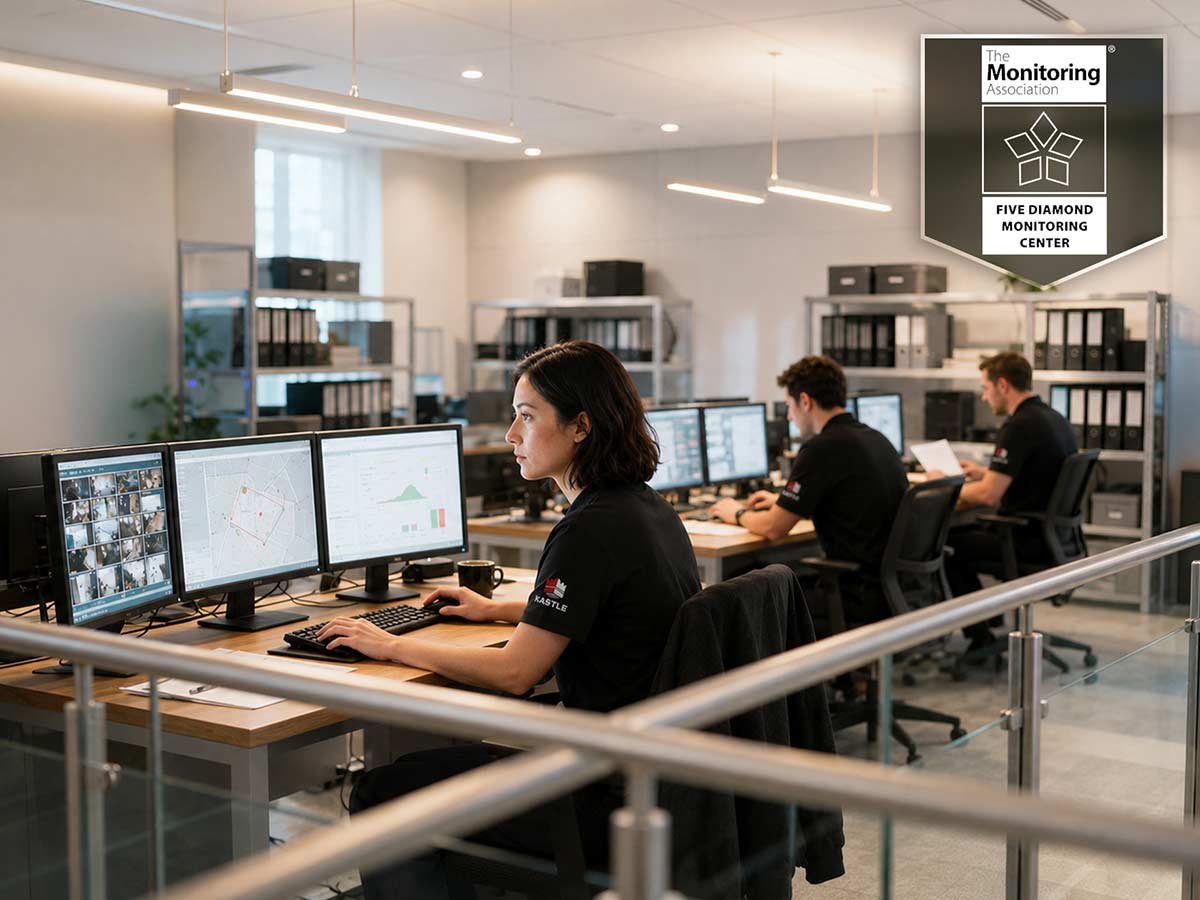
An alert triggers. This time, a monitoring operator reviews the alert in real time. The live video feed shows suspicious activity. Access logs confirm the credential should not have been used after hours. Escalation begins immediately. The situation is addressed while the activity is still happening.
Same technology. Completely different outcome. The difference isn’t detection.
It’s response.
The Hidden Gap in Many Security Programs
Across most properties, security alerts follow a predictable pattern.
An alarm triggers. A camera flags motion. An access event gets logged.
And then the alert sits somewhere:
- in an inbox
- inside a monitoring portal
- within a dashboard no one checks overnight
By the time someone reviews it — often the next morning — the window for intervention has already passed. At that point, the system becomes a documentation tool rather than a prevention tool. This isn’t due to negligence or poor management. It’s a structural challenge. Property managers and operations teams already juggle tenant needs, maintenance requests, leasing activity, and day-to-day operations. Reviewing every alert in real time simply isn’t practical.
And after business hours, response coverage often drops to zero.
Why “Unified Security Platforms” Alone Don’t Solve the Problem
Many security vendors now promote unified platforms that combine alarms, video, and access control into a single interface. This is genuinely useful. It simplifies system management and provides better visibility across devices. But it still leaves the same critical question unanswered:
Who is actively reviewing those alerts when they appear?
A unified dashboard that no one is watching in real time produces the same outcome.
Alerts are captured.
Events are recorded.
But incidents unfold without intervention.
The number of systems connected matters less than whether someone is actively reviewing alerts when they occur.
A Quick Reality Check
If you oversee security for a property, it’s worth asking a few simple questions:
- Who reviews alerts after business hours?
- How quickly are suspicious alerts verified?
- Is there a defined escalation process when an issue is detected?
- What happens if an alert occurs overnight or on a weekend?
Many organizations discover that while their systems generate alerts, ownership of reviewing those alerts isn’t always clearly defined.
Quick Security Check
How confident are you that alerts at your property lead to immediate action?
Take this 5-minute security response assessment to evaluate how alerts are handled in your current environment.
The quiz looks at:
- alert monitoring
- after-hours coverage
- verification processes
- escalation procedures
It’s a quick way to see whether your response process is structured — or if important alerts may be slipping through unnoticed.
Take the Security Response Assessment ›
Moving From Reactive to Monitored Security
The industry is gradually shifting toward a more intentional model of security. Instead of simply generating alerts, properties are implementing response layers that actively review those alerts as they occur. This doesn’t replace existing technology. Cameras, alarms, and access control remain essential. What changes is the layer above them:
- alerts are reviewed immediately
- suspicious activity is verified in real time
- escalation occurs while events are still unfolding
When that response layer exists, the role of technology changes. Incidents are no longer just recorded. They can be interrupted.
A Good Place to Start
If you’re evaluating your current security posture, start with a simple review of recent events. Think about the last few security incidents or suspicious activities that occurred at your property.
Ask yourself:
- How were they discovered?
- How quickly was someone aware of the situation?
- Could the outcome have been different if someone had been watching in real time?
Those questions often reveal where response gaps exist. And those gaps are usually easier to address than most teams expect.
Curious How Your Property Compares?
Many property teams are surprised to discover how their alert response process actually works in practice.
If you’d like to walk through how alerts are monitored and escalated at other buildings, we’re happy to share what we’re seeing across the industry.
It’s simply a practical conversation about how response coverage is structured — and where improvements can make the biggest difference.