
Protecting a $2.1 billion waterfront community from day one: how National Harbor secures 8 million annual visitors with one credential
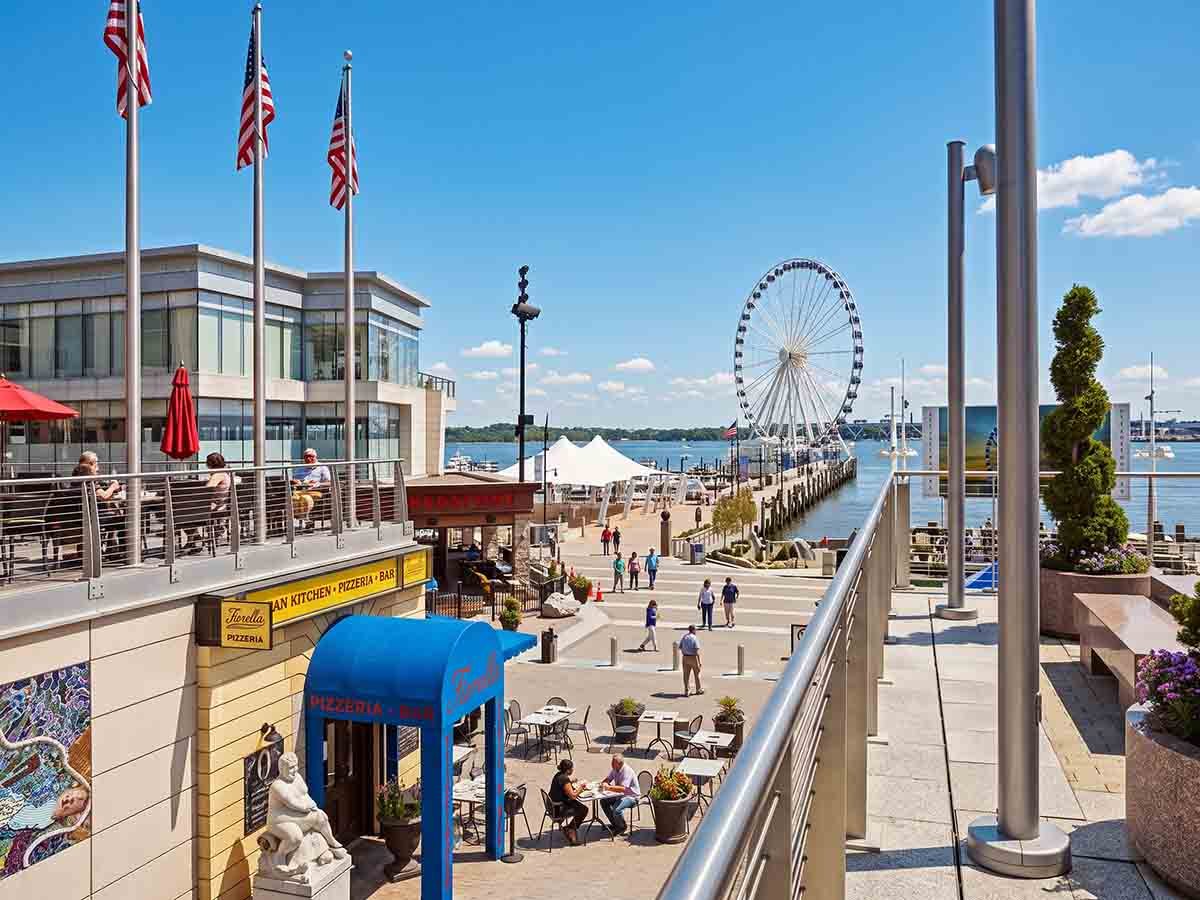
Since National Harbor opened in 2008, The Peterson Companies has relied on Kastle’s access control and fire system monitoring services to help secure the mixed-use destination, including six hotels, a marina, a convention center, and thousands of residents.











Key highlights
-
8 million visitors a year – National Harbor’s hotels, restaurants, retail, and residences now draw roughly eight million visitors annually, all secured under the same Kastle system installed at opening.
-
One credential across the property – a single card gives National Harbor’s community-wide management team access to every space it needs, while keeping individual tenants confined to their own areas.
-
Security live before opening day – Kastle’s access control and fire system monitoring went live as soon as the facility was wired, protecting the original 2008 construction crews before National Harbor ever opened to the public.
-
Round-the-clock support during construction – Kastle’s operations centers managed alarms and alerts throughout construction, so crews stayed protected without work stopping.
-
500,000 square feet of office space secured alongside 2,500 residences – the same system covers National Harbor’s Class-A office space, residential units, six hotels, and 49 retail stores.
About National Harbor
National Harbor is a $2.1 billion mixed-use waterfront community in the Washington, D.C. area, built and opened by The Peterson Companies in 2008. The property includes a full-service marina, a convention center, six hotels, 35 restaurants, 49 retail stores, 2,500 residential units, and 500,000 square feet of Class-A office space, and it hosts events throughout the year such as Cirque du Soleil performances, movie screenings, and concerts.
The challenge
The Peterson Companies set out to secure an unusually large and varied investment. National Harbor would eventually house six hotels, dozens of restaurants and retail stores, thousands of residents, and a rotating stream of visitors and event-goers, each with different reasons for being on the property and different areas they needed to reach.
That mix called for a system that could keep a community-wide management team, individual tenants, and outside visitors each confined to the right spaces, all while National Harbor itself was still under construction and had not yet opened to the public.
The solution
The Peterson Companies found their answer in Kastle’s access control and fire system monitoring. The solution went live as soon as the facility was wired, well before National Harbor opened, which meant it protected the original 2008 construction crews building the property.
Kastle’s operations centers stayed available around the clock during that construction period, turning off alarms and managing alerts so crews could keep working without interruption. That same deployment has scaled with National Harbor ever since, now covering the roughly eight million visitors who come to the property each year.
The outcome
Today, Kastle’s access control system gives National Harbor a single card that works across every area and building on the property. That one credential lets the community-wide management team reach all the spaces it needs, gives tenants secure entry into only their own areas, and keeps unauthorized visitors out entirely.
More from Kastle
-

Access control solutions
Explore access control solutions that simplify access management, strengthen security, and create seamless experiences for employees and visitors.
Learn more
-
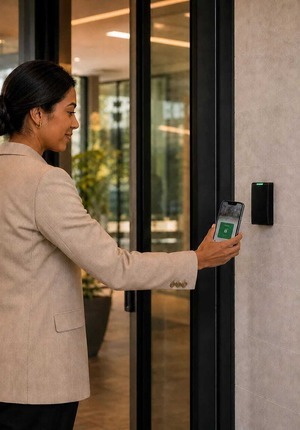
Commercial access control systems guide
How commercial access control systems work, the options available, and what to consider when choosing the right approach for your building.
Read more
-
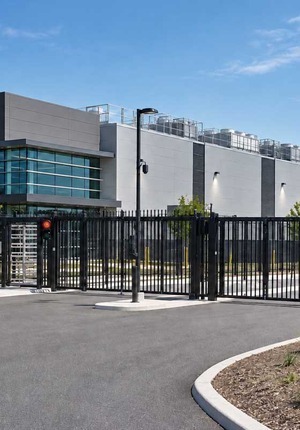
Complete guide to perimeter security
Key components of commercial perimeter security and what organizations should consider when evaluating their approach.
Read more
-
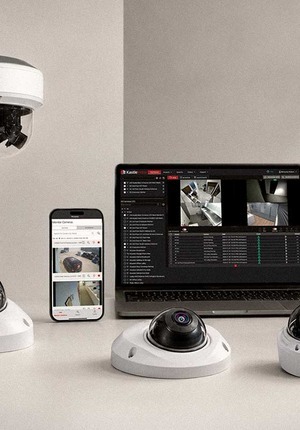
Complete guide to physical security
A practical approach to assessing physical security, from evaluating access points and camera coverage to reviewing incident response procedures.
Read more